How Does Fiber Reinforcement Protect Marine and Coastal Concrete Structures?
Salt air and seawater are relentless on concrete. Coastal structures — jetties, seawalls, coastal buildings, and marine infrastructure — face a level of chloride exposure that accelerates steel corrosion far faster than almost any inland application. Once salt-laden moisture reaches embedded steel reinforcement, the resulting rust expansion cracks the surrounding concrete from within, creating a deterioration cycle that’s notoriously difficult and expensive to reverse once it starts. As a Glass Fiber Manufacturer and PP Fiber Manufacturer, marine and coastal construction is precisely where our non-corrosive fiber range delivers its clearest long-term advantage.
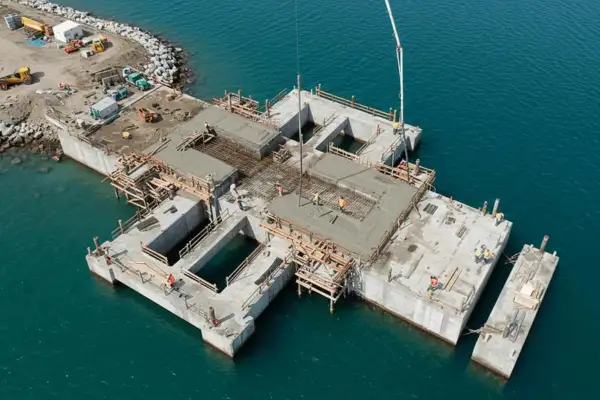
Why Coastal Concrete Fails Faster Than Inland Structures
Chloride ions from seawater and salt-laden air penetrate concrete far more aggressively than moisture alone, and once they reach embedded steel reinforcement, corrosion begins — expanding the steel and cracking the surrounding concrete cover from the inside out. This process, once started, tends to accelerate rather than slow down, since the new cracking simply gives chlorides an even faster path to more steel. Coastal structures also deal with wave impact, humidity-driven shrinkage cycles, and in many cases, sustained structural loading from tidal forces, all compounding the durability challenge.
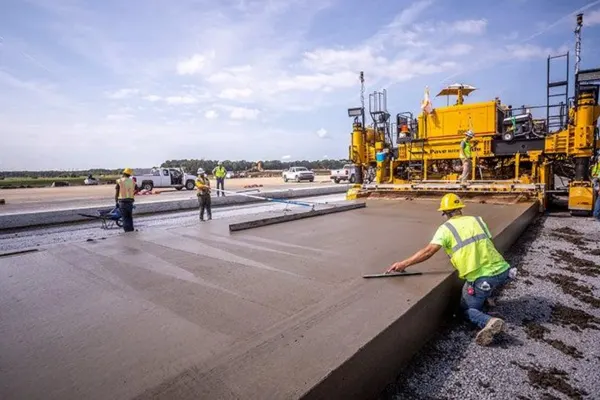
How Our Fiber Range Addresses Coastal Durability
This is exactly the scenario our Alkali Resistant Glass Fiber and PP Micro Fiber Manufacturer ranges are suited to. Since we deal with fiber products that are not metallic at all, we have absolutely no chances to cause corrosion even after contact with chloride. All our products from the Macro Synthetic Fiber Manufacturer are designed to provide added durability for jetties, seawalls, and load-bearing parts of buildings exposed to sea water because these items will be immune to cracking from continuous waves impact.
For architectural coastal buildings and precast marine elements, our E-Glass Fiber Manufacturer and Chopped Glass Fiber Manufacturer ranges provide tensile reinforcement suited to thin precast sections exposed to sustained salt air, with our alkali-resistant grade specifically engineered for structures facing continuous wet, high-salinity conditions.
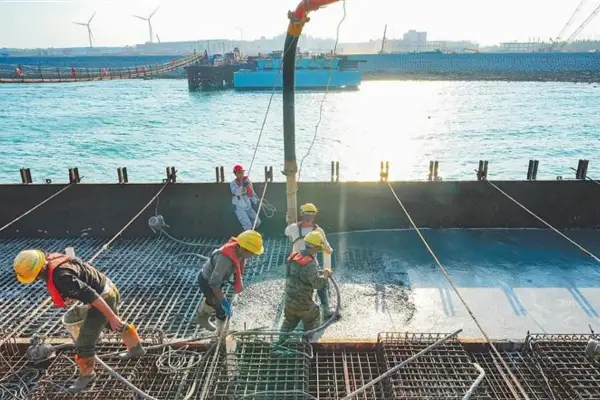
Supporting Coastal and Marine Construction Projects
Our company offers fiber reinforcements for marine jetties, seawalls, coastal structures, and port structures. We recommend appropriate fibers for use depending on the nature of exposure and structural requirements of the specific project. Given how difficult and costly repair access is for many marine structures once built, we place particular emphasis on long-term durability performance when advising on coastal projects, rather than treating them like standard inland construction.
FAQ
Why is corrosion resistance more important in coastal construction than inland projects?
Chloride exposure from seawater and salt air accelerates steel corrosion far more aggressively than typical inland moisture, making non-corrosive reinforcement a significant durability advantage for coastal structures.
Can fiber reinforcement fully replace steel in marine construction?
For many secondary reinforcement and crack-control needs, yes, though primary structural elements in marine construction often still rely on steel with appropriate protective measures, used alongside fiber reinforcement for added durability.
Is alkali-resistant glass fiber necessary for all coastal projects?
It’s specifically recommended for structures with sustained wet, high-salinity exposure, such as precast marine elements and structures in constant contact with seawater, where standard E-glass fiber may degrade faster over time.
Need guidance on fiber selection for a marine or coastal construction project? Reach out through our enquiry page or explore our full product range at fiberwellindia.com.