
How Does Fiber Reinforcement Improve the Durability of Agricultural Infrastructure?
Agricultural infrastructure doesn’t always get the same attention as commercial or industrial construction, but irrigation channels, storage structures, and farm-related concrete work face genuinely demanding conditions of their own — constant water contact, exposure to fertilizers and agrochemicals, and often minimal ongoing maintenance once built. Gujarat’s agricultural sector relies heavily on this kind of infrastructure holding up for years with little intervention, which is exactly why fiber reinforcement has become a practical, low-cost addition to these projects. As a Chopped Glass Fiber Manufacturer and PP Fiber Manufacturer, agricultural infrastructure is a sector where our fiber range delivers real, low-maintenance durability value.
Why Agricultural Concrete Structures Face Unique Wear
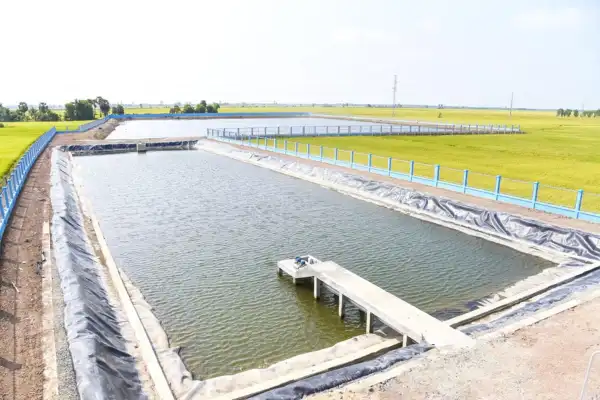
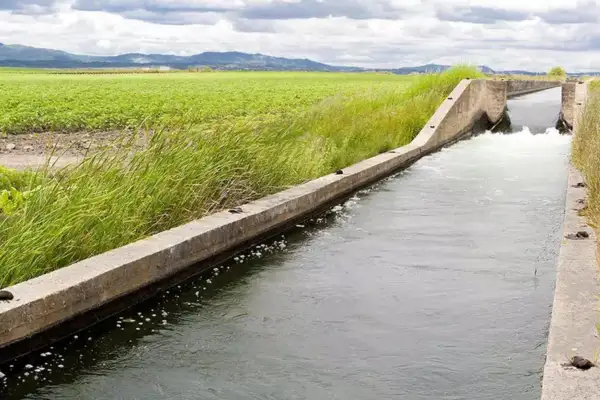
Irrigation channels and canals stay in near-constant contact with water, making them highly susceptible to the same shrinkage cracking and long-term
degradation issues that affect other water infrastructure — except agricultural structures often receive far less ongoing maintenance attention than municipal water systems. Storage structures, meanwhile, frequently deal with exposure to fertilizers, pesticides, and other agrochemicals that can accelerate the corrosion of embedded steel reinforcement over time. Combine this with the reality that agricultural infrastructure is often built with tighter budgets and less specialized oversight than commercial or infrastructure projects, and it becomes clear why cracking and premature deterioration are such common problems in this sector.
How Fiber Reinforcement Helps Agricultural Infrastructure Last Longer
Our PP Micro Fiber Manufacturer range offers a straightforward, cost-effective way to control shrinkage cracking in irrigation channels, storage tanks, and general agricultural concrete work, without requiring specialized labor or equipment beyond standard mixing practices already familiar to rural contractors. For structures with heavier agrochemical exposure, our Chopped Glass Fiber Manufacturer and Concrete Reinforcement Fiber Manufacturer ranges add tensile reinforcement without introducing the corrosion vulnerability that steel mesh eventually develops under sustained chemical contact. Given how little ongoing maintenance most agricultural infrastructure receives after construction, building in this kind of durability from the outset tends to matter more here than in almost any other sector we serve.
Supporting Agricultural Infrastructure Projects
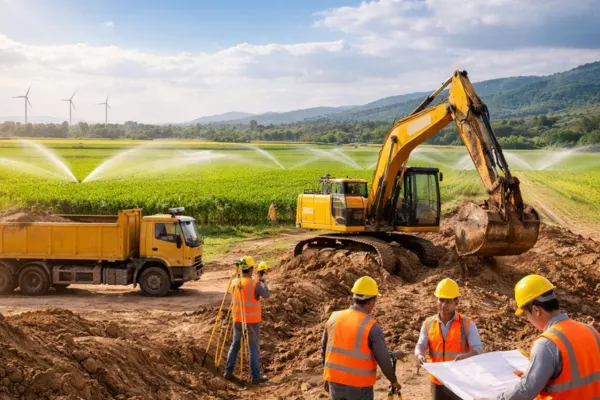
We supply fiber reinforcement to contractors and agricultural developers working on irrigation channels, storage structures, and related farm infrastructure, recommending simple, practical dosage guidance suited to the more modest budgets and construction methods typical of agricultural projects. Our goal here is straightforward — help agricultural infrastructure last as long as possible with as little maintenance burden as possible, using a fiber solution that doesn’t add meaningful cost or complexity to the build.
FAQ
Is fiber reinforcement affordable enough for typical agricultural infrastructure budgets?
Yes, PP micro fiber in particular is a low-cost addition relative to the cost of repairing cracked channels or storage structures later, making it a practical choice even for budget-conscious agricultural projects.
Does fiber reinforcement help with agrochemical exposure in storage structures?
Yes, since polypropylene and glass fiber are chemically resistant, they hold up well in structures exposed to fertilizers and agrochemicals, unlike steel reinforcement, which can corrode faster under similar conditions.
Can fiber reinforcement be added using standard rural construction methods?
Yes, fiber is added directly during normal concrete mixing, requiring no specialized equipment or labor beyond what’s typically already used for agricultural infrastructure construction.